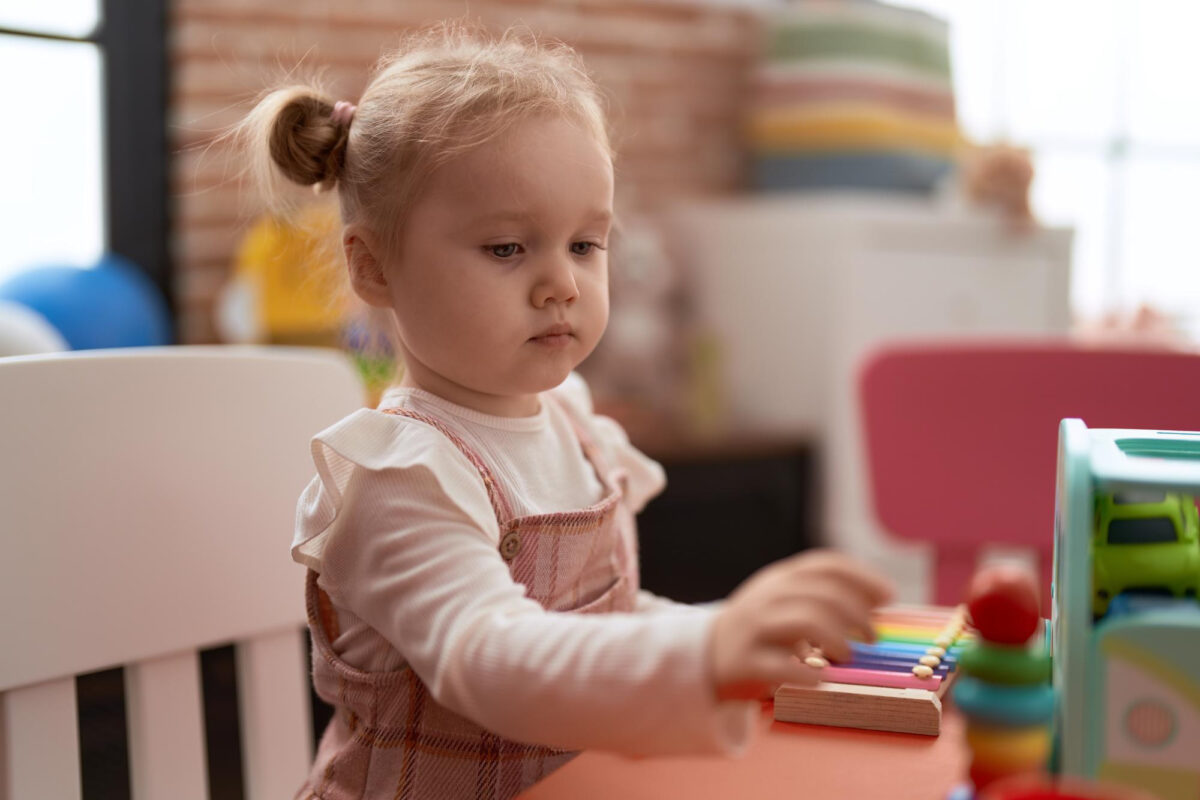
Grade One is a very important stage in a child’s school journey because this is where formal education begins. After completing KG Senior, students enter Grade One with basic knowledge, and now they start learning in a more structured and academic environment. The main goal of Grade One is to build a strong foundation in core subjects that will support the child in all future classes.
1. Introduction to Formal Subjects
In Grade One, children are introduced to proper school subjects such as English, Mathematics, Science, and General Knowledge. Unlike kindergarten levels, learning becomes more subject-focused. Students start understanding how each subject has its own rules, concepts, and learning methods.
2. English Language Development
English is one of the key subjects in Grade One. Students learn how to read simple sentences, recognize new words, and improve their vocabulary. They also practice writing short sentences and basic grammar. Teachers focus on improving reading fluency and pronunciation so children can communicate clearly.
3. Basic Mathematics Skills
Mathematics in Grade One includes simple addition, subtraction, number recognition, and counting. Children learn how numbers are used in daily life. Through practice and activities, they start solving small problems, which helps develop logical thinking skills.
4. Handwriting and Writing Practice
At this stage, handwriting becomes very important. Students practice writing alphabets, words, and short sentences neatly. Good handwriting habits developed in Grade One help students in all future academic work, including exams and assignments.
5. Discipline and Classroom Routine
Grade One also teaches students how to follow a proper school routine. They learn punctuality, discipline, and how to complete homework regularly. Teachers guide them on how to behave in class, listen carefully, and respect rules.
6. Learning Through Activities
Even though Grade One is more structured, learning is still made fun through activities, games, storytelling, and group tasks. These methods keep students engaged and help them understand concepts more easily.