Grade Two and Grade Three are very important stages in a child’s academic development because this is where students start moving beyond basic learning and begin to understand concepts in a deeper and more meaningful way. At this level, the focus shifts from simply memorizing information to developing critical thinking, problem-solving abilities, and independent learning skills.
1. Strengthening Reading and Comprehension Skills
In Grade Two and Three, students improve their reading abilities by practicing longer stories, paragraphs, and passages. They are encouraged not only to read but also to understand and explain what they have read. This helps build comprehension skills, which are essential for all subjects.
2. Developing Logical Thinking in Mathematics
Mathematics becomes more advanced in these grades. Students work on multiplication, division basics, word problems, and logical calculations. Instead of just memorizing answers, they start understanding how and why solutions work, which improves their problem-solving ability.
3. Introduction to Science Concepts
Children are introduced to simple science topics such as plants, animals, weather, the human body, and the environment. These topics help them observe the world around them and ask questions, which is an important part of critical thinking development.
4. Encouraging Independent Thinking
Teachers in Grade Two and Three encourage students to think independently rather than relying only on instructions. They are given small tasks, questions, and activities where they must find answers on their own. This builds confidence and decision-making skills.
5. Group Activities and Teamwork
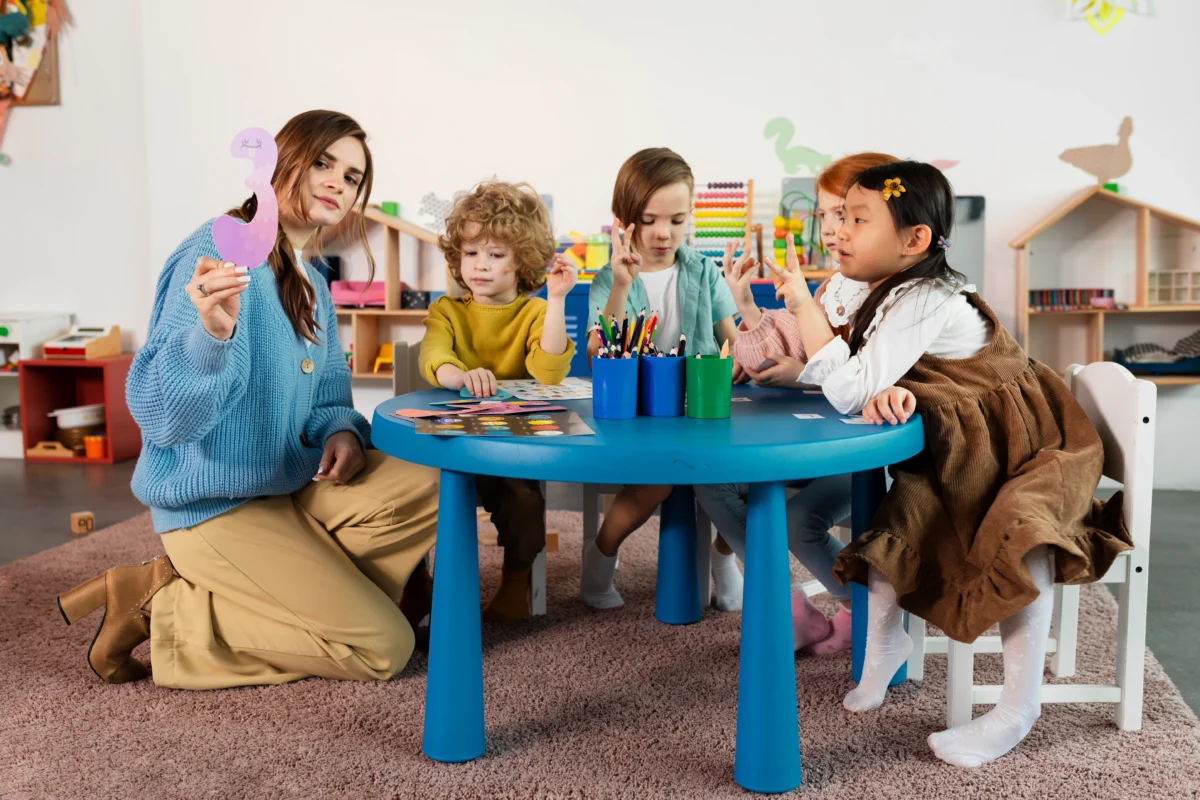
Group work becomes more common in these grades. Students participate in projects, class discussions, and teamwork activities. This helps them learn how to share ideas, listen to others, and work together to solve problems.
6. Creativity and Expression Development
Children are encouraged to express their ideas through drawing, storytelling, writing, and presentations. This improves creativity and helps them communicate their thoughts more clearly.